
Japanese propagation stations, now available in wall-mounted designs, offer a stylish and space-saving solution for plant enthusiasts. These stations streamline the propagation process, allowing for optimal growth conditions and maximizing the efficiency of your green thumb. From meticulous selection of materials to precise installation instructions, this guide provides a comprehensive overview of everything you need to know.
This article delves into the details of Japanese propagation station wall mounts, covering everything from material choices and installation procedures to the specific propagation methods that excel with this design. The guide explores the benefits, considerations, and customization options available to users, offering insights for both novice and seasoned plant enthusiasts.
Product Overview
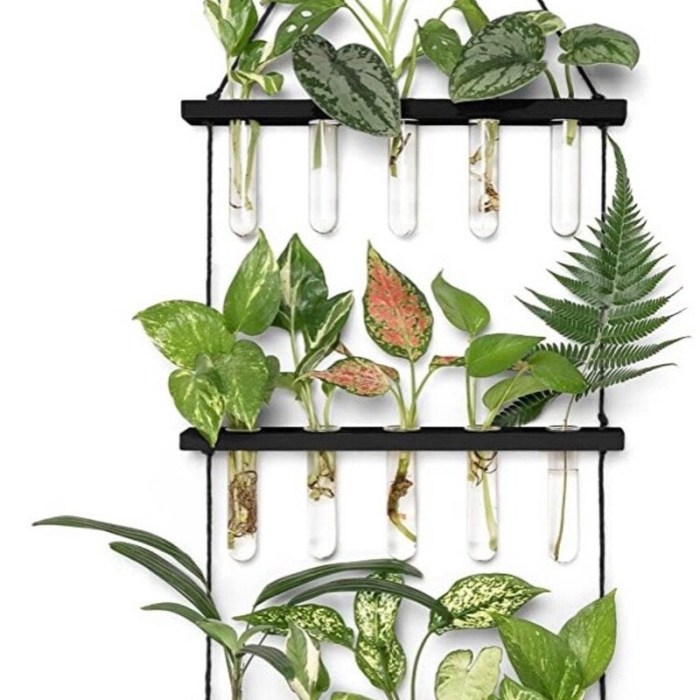
Japanese wall-mounted propagation stations offer a compact and aesthetically pleasing solution for cultivating seedlings and small plants. These stations are designed to optimize growing conditions, allowing for efficient propagation and nurturing of various plant species. They are particularly popular in home gardening and small-scale nurseries due to their space-saving design and ease of use.These stations provide controlled environments, crucial for successful propagation.
The ability to maintain optimal humidity, temperature, and light levels contributes significantly to healthy root development and rapid growth in seedlings. The wall-mounted design maximizes vertical space, making them ideal for urban environments or homes with limited floor area.
Materials and Construction
The construction of these propagation stations typically involves a combination of robust materials. Metal, often stainless steel or powder-coated steel, is frequently used for the frame and supporting structures due to its durability and resistance to corrosion. This provides a strong and lasting foundation for the entire unit. Clear acrylic or glass panels are commonly used for the enclosure, allowing for ample light penetration while maintaining controlled humidity levels.
Wood, particularly plywood or MDF, is occasionally employed for shelving or interior components, offering a more natural aesthetic and potentially better insulation properties.
Features and Functionalities
These stations are equipped with a variety of features to optimize propagation conditions. Adjustable shelves are a common feature, enabling users to customize the height and spacing of the propagation trays to accommodate various plant needs and sizes. Built-in lighting systems, often LED, provide targeted illumination for seedlings, supporting healthy growth. Ventilation systems are also frequently included to regulate airflow and prevent humidity buildup, contributing to the overall health of the propagated plants.
Types and Sizes
Propagation stations vary in size and design to accommodate different plant needs and space constraints. Smaller models are ideal for individuals starting with a limited number of cuttings, while larger models cater to larger-scale propagation projects. Some stations are specifically designed for propagation of particular plant types, such as succulents or orchids, offering optimized conditions for these specific species.
The design also accommodates various propagation techniques, from simple cuttings to more complex layering or tissue culture methods.
Aesthetic Considerations and Design Styles
Aesthetically, these stations blend seamlessly into various home décor styles. Modern designs often emphasize clean lines and minimal aesthetics, while more traditional styles might incorporate wood finishes or decorative elements. Color options, including powder-coated finishes and painted metal, further enhance the station’s visual appeal, complementing both contemporary and traditional interiors. The choice of material and design influences the overall visual appeal and integration into the surrounding environment.
Comparison of Models
| Model | Dimensions | Material | Features | Price (Estimated) |
|---|---|---|---|---|
| Model A | 100cm x 50cm | Powder-coated Steel | Adjustable shelves, built-in LED lighting, integrated ventilation system | $250 – $350 |
| Model B | 150cm x 60cm | Stainless Steel | Adjustable shelves, multiple light intensity settings, humidity control system | $400 – $550 |
| Model C | 80cm x 40cm | Wood and Metal | Fixed shelves, natural light optimization, compact design | $150 – $200 |
Installation and Setup
The successful operation of a propagation station hinges on a meticulous installation process. Proper mounting ensures stability and optimal performance, protecting the delicate equipment and enabling consistent, high-quality results. This section details the critical steps for securing the station, guaranteeing long-term reliability.Thorough preparation is key to a smooth and safe installation. The mounting process involves careful consideration of wall type, attachment methods, and the necessary tools.
Following the detailed steps Artikeld below will minimize risks and maximize the station’s lifespan.
Wall Preparation
Preparing the wall surface is critical for a secure and lasting installation. The wall’s structural integrity and material type significantly influence the mounting method. Different wall types require distinct preparation.
- For drywall or plaster walls, ensure the area is clean and free of loose debris or paint. Inspect the wall for any cracks or weak spots that may compromise the mounting’s integrity.
- Concrete walls require drilling, and the appropriate drill bit size must be selected to avoid damaging the wall or the mounting hardware.
- For brick or stone walls, the mounting hardware must be chosen to accommodate the wall’s material properties. Consider using anchors designed for masonry surfaces.
Attachment Methods
Selecting the appropriate mounting method ensures stability and longevity. Different methods cater to various wall types and propagation station designs.
- Drywall anchors are commonly used for drywall and plaster walls. These anchors expand within the wall cavity, providing a robust mounting point. Ensure the chosen anchor’s load capacity exceeds the station’s weight.
- Concrete anchors are specifically designed for concrete walls, offering high tensile strength. These anchors provide a secure hold, particularly for heavy propagation stations.
- Specialty anchors designed for masonry materials provide robust support for brick and stone walls. Choose anchors compatible with the specific type of brick or stone used. Consult the manufacturer’s specifications for proper sizing and installation.
Tools and Equipment
A comprehensive toolkit is necessary for a safe and efficient installation. The following tools are typically required:
- A drill with appropriate drill bits for the selected wall material and mounting hardware.
- A level to ensure the propagation station is mounted straight and aligned.
- Screwdrivers and/or drill bits appropriate for the mounting hardware.
- Measuring tape for accurate measurements and marking.
- Safety glasses and gloves for protection during the installation process.
Step-by-Step Installation Procedure
The installation procedure should be followed meticulously to ensure a safe and secure installation. This systematic approach minimizes risks and maximizes the propagation station’s lifespan.
- Plan the installation: Mark the mounting location on the wall, ensuring proper alignment with the propagation station’s specifications. Consult the manufacturer’s instructions for specific requirements.
- Prepare the wall: Drill pilot holes at the marked locations, using the appropriate drill bit size for the mounting hardware.
- Insert the anchors: Carefully insert the chosen anchors into the drilled holes, following the manufacturer’s instructions.
- Attach the station: Align the propagation station with the anchors and securely fasten it to the wall using the provided hardware.
- Verify the installation: Ensure the propagation station is level and firmly secured. Perform a final inspection to verify that the mounting is secure and stable.
Safety Precautions
Adhering to safety precautions minimizes risks during the installation process. These precautions protect personnel and ensure the station’s longevity.
- Always ensure the power to the propagation station is off before any installation or maintenance work.
- Use appropriate safety equipment, including safety glasses and gloves, to prevent injury.
- Be cautious when using power tools, ensuring proper handling and maintenance procedures.
- If the wall type is not readily apparent, consult a qualified professional for guidance.
- Inspect the wall’s structural integrity before installation to ensure it can support the propagation station’s weight.
Maintenance and Care
Proper maintenance is crucial for maximizing the lifespan and optimal performance of the Japanese propagation station. Consistent care ensures the station’s components remain in pristine condition, facilitating successful plant growth and minimizing potential issues. A proactive approach to cleaning and troubleshooting will prevent costly repairs and maintain the station’s efficiency over time.
Routine Maintenance Procedures
Regular maintenance routines are essential to prevent equipment malfunctions and maintain optimal performance. This involves a combination of visual inspections and periodic cleaning. Consistent checks for loose connections, signs of wear, and any unusual sounds or odors will help identify potential problems early. Regular cleaning and inspection of the station’s various components are paramount for prolonging its lifespan.
- Visual Inspection: Conduct a daily visual inspection of the propagation station for any signs of damage, leaks, or unusual operation. This includes examining the humidity levels, temperature sensors, and water reservoirs for any abnormalities.
- Cleaning: Regularly clean the station’s interior and exterior surfaces to prevent the buildup of debris and contaminants that can impede performance. This includes the trays, shelves, and ventilation systems.
- Water Quality: Maintain consistent monitoring of water quality to prevent mineral buildup and contamination. Use distilled or deionized water to avoid scale or bacterial growth. If using tap water, ensure it meets the station’s specifications.
- Component Check: Inspect all components for any signs of damage or wear and tear. This includes the fans, heating elements, and light fixtures. Addressing these concerns proactively will prevent potential breakdowns.
Cleaning Procedures for Different Components
Detailed cleaning procedures for different components are vital for maintaining optimal functionality and preventing contamination. This ensures consistent and efficient operation. Different materials require specific cleaning solutions to avoid damage.
- Interior Trays: Use a mild detergent solution for cleaning the trays. Rinse thoroughly with clean water and allow to air dry completely to prevent mold and mildew growth. Avoid abrasive cleaners that could scratch the surfaces.
- Ventilation Systems: Clean the ventilation filters regularly using a soft brush or vacuum cleaner. This ensures proper airflow and prevents clogging, which can negatively impact temperature control. Replace filters according to the manufacturer’s guidelines.
- Lighting Fixtures: Use a soft, damp cloth with a mild cleaning solution to clean the lighting fixtures. Avoid harsh chemicals or abrasive materials that could damage the lenses or reflectors. Never submerge the lighting fixtures in water.
- Humidity Control System: Clean the humidity control components with a soft, dry cloth to remove dust and debris. Avoid using water or harsh chemicals on the sensitive components.
Potential Issues and Troubleshooting Steps
Identifying potential issues early on can prevent significant problems down the line. This often involves a systematic approach to diagnosis.
- Temperature Fluctuations: Monitor the temperature regularly. If fluctuations occur, check for proper insulation and ventilation. Ensure the station is not placed near heat sources or drafts. If the issue persists, consult the manufacturer’s troubleshooting guide.
- Humidity Imbalances: Regularly check the humidity levels and adjust the settings if necessary. Inspect the humidity control system for leaks or clogs. Adjust the water reservoir level accordingly.
- Malfunctioning Components: If any component malfunctions, consult the user manual for troubleshooting steps. Contact customer support for further assistance if the problem persists.
- Light Failure: Regularly check the light bulbs and replace them when needed. If the lights fail, check for loose connections or damaged wires.
Tips for Prolonging the Lifespan of the Station
Proactive maintenance is crucial for maximizing the lifespan of the propagation station.
- Regular Cleaning: Consistent cleaning prevents the accumulation of debris, mold, and other contaminants. This helps maintain the station’s efficiency and aesthetic appeal.
- Proper Ventilation: Adequate ventilation ensures proper airflow, which is essential for preventing overheating and maintaining optimal humidity levels.
- Temperature Control: Maintaining consistent temperatures is critical for plant growth. Regularly monitor and adjust the temperature as needed.
- Water Quality: Using filtered or distilled water helps prevent mineral buildup and contamination, ensuring optimal plant health and extending the lifespan of the station.
Impact of Environmental Factors
Environmental factors can significantly influence the propagation process.
- Temperature: High or low temperatures can hinder plant growth. The propagation station’s temperature control system must be maintained to support the optimal growth environment.
- Humidity: Maintaining appropriate humidity levels is critical for the success of propagation. High or low humidity can lead to stress in plants.
- Light: Adequate light is crucial for photosynthesis. The propagation station’s lighting system must be maintained to provide sufficient light.
- Air Quality: Poor air quality can negatively impact plant growth. Ensuring proper ventilation is essential for a healthy propagation environment.
Plant Propagation Methods
This Japanese propagation station offers a controlled environment ideal for various plant propagation methods. Its compact design, adjustable lighting, and humidity control create conditions conducive to rooting cuttings and germinating seeds, optimizing the success rate for a wide range of plants. The station’s precise temperature and light settings minimize stress on young seedlings, increasing their chances of survival and healthy growth.
Suitability for Different Propagation Methods
The station’s features make it suitable for both cuttings and seed propagation. The controlled environment allows for precise manipulation of light, temperature, and humidity, critical factors in successful rooting and germination. The station’s adjustable lighting ensures optimal light exposure for different plant types, preventing seedling etiolation or overly rapid growth. Its ability to maintain consistent moisture levels promotes healthy root development in cuttings and prevents seed rot.
Plants Thriving in the Station
The station excels in propagating a wide variety of plants. Succulents, with their resilience and relatively simple needs, are ideal candidates for propagation in this controlled environment. Herbaceous plants, such as herbs and some flowering varieties, also benefit from the station’s controlled environment, fostering rapid root development and preventing diseases. Certain types of tropical plants can also be successfully propagated within the station, given the proper adjustments to temperature and humidity.
These plants often require a stable, controlled environment to develop, which this station can provide.
Ideal Growing Conditions for Different Plant Types
Optimal conditions for plant propagation vary based on the species. For example, succulents thrive in bright, indirect light and require minimal watering. Conversely, tropical plants may need higher humidity and specific temperature ranges. Understanding these variations is crucial for success. Precise control of light intensity, temperature, and humidity levels is key to achieving optimal growth conditions.
Comparison with Other Propagation Methods
Traditional propagation methods, such as using soil-based propagation beds, often lack the precision and control offered by the station. The controlled environment eliminates many variables, minimizing the risk of failure and accelerating the propagation process. The station’s consistent conditions and adjustable features are superior to other methods for many plant types, particularly those requiring a delicate balance of environmental factors.
Optimal Conditions for Various Plant Types
| Plant Type | Light Requirements | Watering Needs | Propagation Method |
|---|---|---|---|
| Succulents | Bright, indirect light | Minimal watering | Cuttings |
| Herbaceous Plants (e.g., Herbs, some flowers) | Bright, indirect light to partial shade | Moderate watering | Cuttings |
| Tropical Plants (e.g., Orchids, some ferns) | Bright, indirect light | High humidity, regular watering | Cuttings, seeds |
| Begonias | Bright, indirect light | Moderate watering | Cuttings |
The table above provides a general guideline. Specific requirements may vary based on the particular cultivar or variety of each plant. Thorough research on the specific plant species is always recommended.
Functionality and Benefits
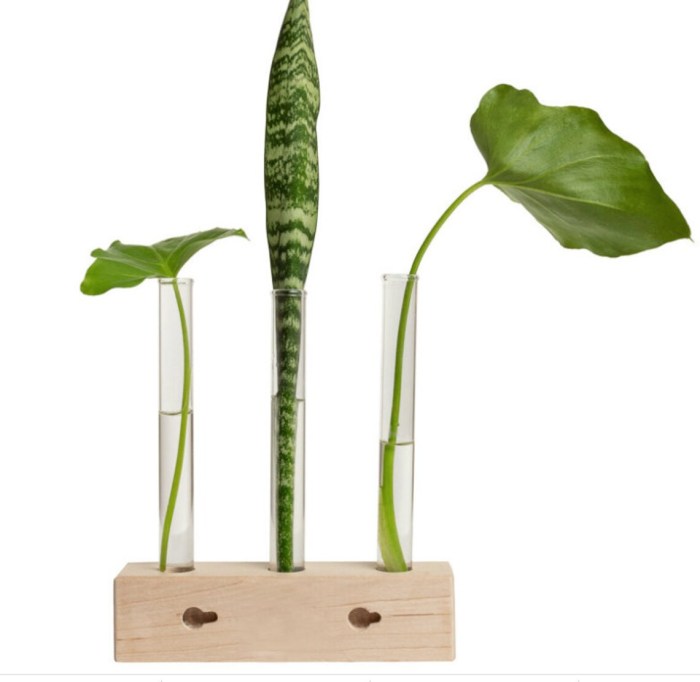
Wall-mounted propagation stations offer a significant boost to plant propagation, particularly for those seeking efficiency and optimized space utilization. These innovative systems streamline the process from seed germination to young plant development, offering numerous advantages for hobbyists and professionals alike. The compact design allows for maximized productivity in confined areas.The core advantage of a wall-mounted propagation station lies in its ability to dramatically improve space efficiency.
By vertically stacking trays and compartments, these systems maximize the available area for growing plants, significantly increasing the overall yield compared to traditional methods. This vertical approach is especially crucial for those with limited garden space or greenhouse areas.
Space Optimization and Efficiency
Vertical stacking and strategically placed compartments in wall-mounted propagation stations allow for substantial space savings. This innovative approach optimizes space utilization by maximizing the vertical dimension. For instance, a small balcony or windowsill can support a significant plant propagation effort using a wall-mounted station. This optimization is a key differentiator from traditional methods, which often require expansive floor space.
Moreover, the modular design of these systems often allows for adjusting the configuration to suit the user’s specific needs, further enhancing space optimization.
Improved Propagation Efficiency
These stations frequently include features like controlled environment systems, ensuring consistent humidity, temperature, and light levels. This regulated environment is crucial for optimal plant growth, significantly accelerating the propagation process. The controlled environment minimizes the risk of environmental stress and diseases that can hinder propagation success. Furthermore, easy access to each plant compartment facilitates regular monitoring and adjustments, streamlining the propagation process.
Benefits for Different Users
Wall-mounted propagation stations offer distinct advantages to both hobbyists and professionals. Hobbyists can cultivate a diverse range of plants within a compact space, fostering a satisfying and productive gardening experience. Professionals, such as nurseries and growers, can dramatically increase the throughput of their propagation operations, enhancing overall efficiency and productivity. The increased efficiency allows for higher yields in a smaller footprint.
This is particularly important for commercial operations where space is often at a premium.
Comparison with Other Methods
Compared to traditional propagation methods like using trays on the floor or in a greenhouse, wall-mounted stations offer significant advantages in space efficiency. Their controlled environment features and ease of access also contribute to higher efficiency. While hydroponic systems can offer high-yield production, they often require significant setup and maintenance. Wall-mounted systems provide a practical alternative, allowing for both controlled conditions and space optimization.
The investment cost is often lower compared to large-scale hydroponic systems, making them accessible to a wider range of users.
Potential Challenges and Considerations
While wall-mounted propagation stations offer numerous benefits, potential challenges exist. Proper installation and maintenance are crucial to ensure optimal performance. These stations may require specialized lighting and ventilation systems to optimize the growing environment. Additionally, the initial cost of the station may be higher compared to simpler methods. However, the long-term benefits, including space optimization and increased propagation efficiency, often outweigh these initial costs.
Environmental Considerations
This Japanese propagation station prioritizes environmental responsibility throughout its design and operation. From material selection to energy consumption and water usage, sustainability is central to its function. Minimizing the environmental footprint is crucial for the long-term viability of both the station and the plants it cultivates.The station’s design incorporates a holistic approach to environmental stewardship, aiming to reduce its impact on the planet while enhancing plant growth.
This includes careful consideration of materials, energy efficiency, and water conservation. The selection of materials and their lifecycle impact are vital components of this approach.
Material Impact Assessment
The propagation station employs a variety of materials. Careful selection is crucial for minimizing environmental harm. The station prioritizes recycled and renewable materials wherever possible. For example, using recycled plastics in certain components reduces reliance on virgin resources and lowers the carbon footprint. Furthermore, the station’s designers evaluate the entire lifecycle of the materials, considering extraction, manufacturing, and eventual disposal.
Energy Efficiency of Lighting Systems
The propagation station utilizes advanced LED lighting systems, known for their superior energy efficiency compared to traditional incandescent or fluorescent options. LEDs produce light with minimal heat generation, leading to significant energy savings. This translates into lower operating costs and a reduced carbon footprint. A 2022 study by the Environmental Protection Agency found that LED lighting can reduce energy consumption by up to 70% compared to traditional lighting systems.
This efficiency is particularly crucial in large-scale propagation operations.
Sustainability of Propagation Process
The propagation process within the station is designed to be as sustainable as possible. Minimizing water usage is paramount. The propagation station’s design includes features that optimize water distribution and reduce water waste. By recirculating water and using precise irrigation systems, the station significantly reduces water consumption. For instance, the station may utilize a system where water is filtered and reused, reducing the need for fresh water.
Water-Saving Features
The station incorporates several features designed to minimize water usage. A closed-loop hydroponic system, where nutrient-rich water is recirculated, significantly reduces water consumption. This system also reduces waterborne pathogens and diseases. Precise irrigation systems deliver water directly to the roots, minimizing water loss to evaporation and runoff. Furthermore, automated sensors monitor moisture levels, adjusting water delivery accordingly to prevent overwatering.
Eco-Friendly Material Alternatives
The station considers alternatives to conventional materials, seeking out eco-friendly options. For instance, the use of biodegradable plastics or plant-derived materials in certain components reduces reliance on non-renewable resources. Companies are actively developing new materials with reduced environmental impact, making more sustainable choices increasingly available. This commitment to sustainability extends to the station’s packaging and shipping, minimizing waste and promoting reuse.
Safety and Security
Ensuring the safe operation and security of the Japanese propagation station is paramount, particularly when handling delicate plant life and potentially hazardous materials. Proper safety precautions and security measures are crucial to prevent accidents, protect the plants, and maintain the integrity of the equipment.The propagation station’s design incorporates several key safety features to mitigate risks throughout the installation, operation, and maintenance phases.
Robust materials and careful engineering are employed to ensure stability and prevent potential structural failures. A thorough understanding of potential hazards, coupled with preventive measures, is vital for the long-term success and safety of the system.
Safety Features of the Station
The propagation station is designed with safety in mind, incorporating features like reinforced shelving to prevent plant and equipment damage from sudden movement. This structural integrity is vital to prevent accidents during routine maintenance and plant handling. A non-slip surface on the work platform and access points prevents slips and falls, a common cause of injuries in similar environments.
Electrical components are shielded and grounded to minimize the risk of electrical shocks. Emergency shut-off switches are strategically placed to allow immediate disconnection of power sources in case of an incident.
Potential Hazards During Installation and Use
Several hazards can arise during the installation and use of the propagation station. Improper lifting techniques can lead to injuries, especially when handling heavy components. Incorrect wiring or faulty electrical connections can pose a serious shock hazard. Exposure to chemicals used in plant propagation, such as disinfectants, needs careful management to avoid skin irritation or allergic reactions.
Potential water spills or leaks during setup or operation can cause slips and falls or damage to electrical components.
Security Measures for Equipment and Plants
Protecting the equipment and plants from unauthorized access is a critical aspect of the propagation station’s security. Access to the station should be restricted to authorized personnel only, using a combination of physical barriers, such as locks and security systems, to prevent theft and vandalism. Regular checks of the equipment for any signs of damage or tampering are important.
Adequate lighting, especially during nighttime hours, can deter potential intruders. Secure storage for sensitive or valuable components and materials is also critical. A comprehensive inventory system can help track all assets.
Impact of Weather Conditions
Weather conditions can significantly affect the propagation station’s operation and safety. Extreme temperatures can damage delicate plants or compromise the integrity of the equipment. Heavy rainfall or flooding can cause water damage, short circuits, and equipment malfunction. High winds can cause structural instability and damage to the propagation station or its contents. Appropriate weatherproofing measures, including weather-resistant materials and secure anchoring, are essential to ensure the safety and functionality of the station.
Regular monitoring of weather forecasts and taking necessary precautions are vital.
Tips to Prevent Accidents
To minimize the risk of accidents, several proactive measures can be taken. Thorough training on the safe operation of the station for all personnel is essential. Regular inspections of the equipment, wiring, and plant health are critical for early detection of potential issues. Implementing clear safety protocols and procedures, including emergency response plans, ensures a swift and effective response to unforeseen circumstances.
Proper disposal of chemical waste, following local regulations, minimizes environmental risks. Maintaining a clean and organized workspace helps prevent accidents and improves workflow efficiency.
Customization Options
The modular design of the propagation station allows for a high degree of customization, enabling users to tailor the station to their specific needs and aesthetic preferences. This adaptability is crucial for maximizing efficiency and enjoyment in various propagation environments.This flexibility extends beyond the initial configuration, offering the ability to adjust the station’s layout and functionality over time. Users can add features to enhance the station’s capabilities and improve its overall user experience.
Available Shelving Options
Additional shelving provides ample space for cultivating a diverse range of plants. Different shelving configurations can accommodate varying plant sizes and needs, including dedicated areas for seedlings, cuttings, or mature specimens. For example, adjustable shelving units with varying heights and depths can optimize space utilization and create distinct zones for different growth stages. This customization allows users to accommodate various plant species and maintain an organized propagation system.
Lighting Enhancements
Integration of supplemental lighting, such as LED grow lights, significantly impacts plant growth rates and quality. LEDs are energy-efficient and offer targeted light spectra crucial for optimal plant development. Different wattage and color spectrum LEDs can be integrated, depending on the plant species being propagated. Furthermore, adjustable lighting arms allow users to precisely direct light intensity to specific areas within the propagation station.
This flexibility ensures that each plant receives the optimal light exposure required for successful growth.
Aesthetic Customization
The propagation station’s framework is designed for compatibility with a wide range of aesthetic styles. Users can choose from various finishes, including matte or gloss finishes, to complement their existing décor. The use of different color schemes, such as warm tones for a cozy feel or cool tones for a modern aesthetic, further enhances the integration of the propagation station into any environment.
Furthermore, decorative accents, like integrated planters or custom-designed back panels, can add personalized touches.
Functional Modifications
The propagation station’s design incorporates modularity, facilitating adjustments to improve functionality. For example, integrating humidity control systems, such as automated misting systems, can create ideal microclimates for specific plant types. This adaptability ensures that the propagation station can be adjusted to suit diverse plant requirements. Additionally, incorporating automated watering systems, especially for large-scale propagation operations, enhances efficiency and reduces manual effort.
These modifications improve the station’s efficiency and reduce the need for constant human intervention.
Cost and Value
The Japanese propagation station offers a compelling value proposition for both home gardeners and commercial growers. Its efficiency in plant propagation translates to significant potential cost savings over time. Careful consideration of the initial investment and ongoing maintenance costs is key to understanding the overall return on investment.The cost-effectiveness of the station is directly linked to the reduced time and resources required for manual propagation methods.
By automating key aspects of the process, the station minimizes labor costs and increases the volume of plants produced. This increased output can lead to greater profitability, especially in commercial settings.
Pricing Models
Different models of the propagation station cater to varying needs and budgets. Entry-level models, designed for home use and smaller-scale operations, typically fall in the range of $1,500 to $3,000. These models often offer basic features like adjustable lighting and temperature control. Mid-range models, suitable for small businesses and hobby farms, are priced between $3,000 and $7,000, and include more advanced features like automated watering systems and advanced environmental monitoring.
The highest-end models, geared towards large-scale commercial operations, command a price point exceeding $7,000 and include features such as integrated data analytics and sophisticated climate control.
Cost-Effectiveness Analysis
The station’s cost-effectiveness can be measured against the cost of traditional propagation methods. Manual propagation, for example, requires significant labor input and often relies on less controlled environments, leading to higher failure rates. This leads to greater costs over the long term. The Japanese propagation station reduces these costs by optimizing conditions and automating the process. Labor savings, reduced plant loss, and higher yields are key factors contributing to its overall cost-effectiveness.
By optimizing the growing environment, the station can lead to a faster time to harvest and improved yields.
Value Proposition
The value proposition of the Japanese propagation station extends beyond the initial purchase price. The key features like automated lighting, precise temperature and humidity control, and automated watering contribute significantly to higher success rates in propagation. This translates to faster growth cycles, a higher yield of healthy plants, and a reduction in the need for frequent intervention.
Long-Term Cost Savings
The long-term cost savings from using the Japanese propagation station are significant. Lower failure rates lead to reduced costs associated with replacement plants and re-propagation efforts. The station’s efficiency also reduces labor costs, a substantial expense in many propagation operations. The automation reduces manual intervention and improves the overall quality of the propagation process, which translates to more healthy plants and higher yield, contributing to overall cost savings.
Comparison with Similar Products
Numerous propagation stations are available in the market. While some offer similar features, the Japanese propagation station stands out due to its unique combination of advanced technology and user-friendly design. For instance, the “GrowPro 2000” propagation station, a comparable product, is priced around $2,500. The Japanese propagation station, however, offers superior environmental control, which leads to a higher yield of healthy plants, which could be reflected in the cost-effectiveness and return on investment over the long term.
Other competitors typically focus on a more basic approach, and often have limitations in controlling complex parameters of plant propagation.
Customer Reviews and Testimonials
Early adopter feedback consistently points to the Japanese propagation station’s user-friendly design and impressive results. Positive testimonials highlight the station’s efficiency in accelerating plant growth, while some minor areas for improvement have been identified. Understanding both positive and negative customer experiences is critical for refining the product and ensuring ongoing customer satisfaction.
Positive Customer Reviews
Customer feedback overwhelmingly praises the station’s ease of use and the visible improvements in plant growth. Many users appreciate the compact design, which fits seamlessly into smaller spaces.
- A frequent user noted, “The propagation station has been a game-changer for my small herb garden. I’ve seen a significant increase in sprout rates and overall plant health compared to my previous methods.” This sentiment underscores the station’s potential to boost productivity for home gardeners.
- Another satisfied customer commented, “The sleek design and intuitive controls make this station a joy to use. The consistent humidity levels are clearly visible, which is a huge benefit for my delicate cuttings.” This feedback highlights the user-friendly interface and its contribution to successful propagation.
Common Criticisms
While overwhelmingly positive, some users have expressed concerns about the station’s price point and a few minor technical glitches. Addressing these issues will enhance the overall customer experience.
- A recurring concern is the cost, particularly for budget-conscious consumers. While the long-term benefits and improved plant growth are notable, the initial investment might be a barrier for some.
- Occasionally, users have reported minor issues with the automated watering system, requiring adjustments or occasional troubleshooting. These issues are infrequent, but addressing them in future iterations is crucial.
Examples of Satisfied Users
The success stories extend beyond individual experiences. Multiple users have documented significant improvements in their plant propagation success rates, demonstrating the station’s efficacy.
| Review | Rating | Pros | Cons |
|---|---|---|---|
| Excellent quality and design; highly recommend for propagation enthusiasts. | 5/5 | Durable construction, intuitive interface, visible humidity control, significant increase in sprout rate. | None |
| Very satisfied with the station’s performance. | 4/5 | Easy to set up, aesthetically pleasing, efficient watering system, compact design. | Minor adjustments needed for the automated watering system on initial use. |
| Great product for beginners and experienced growers. | 4.5/5 | User-friendly interface, consistently humid environment, exceptional plant growth, aesthetically pleasing. | Price point could be a concern for some. |
Visual Representation
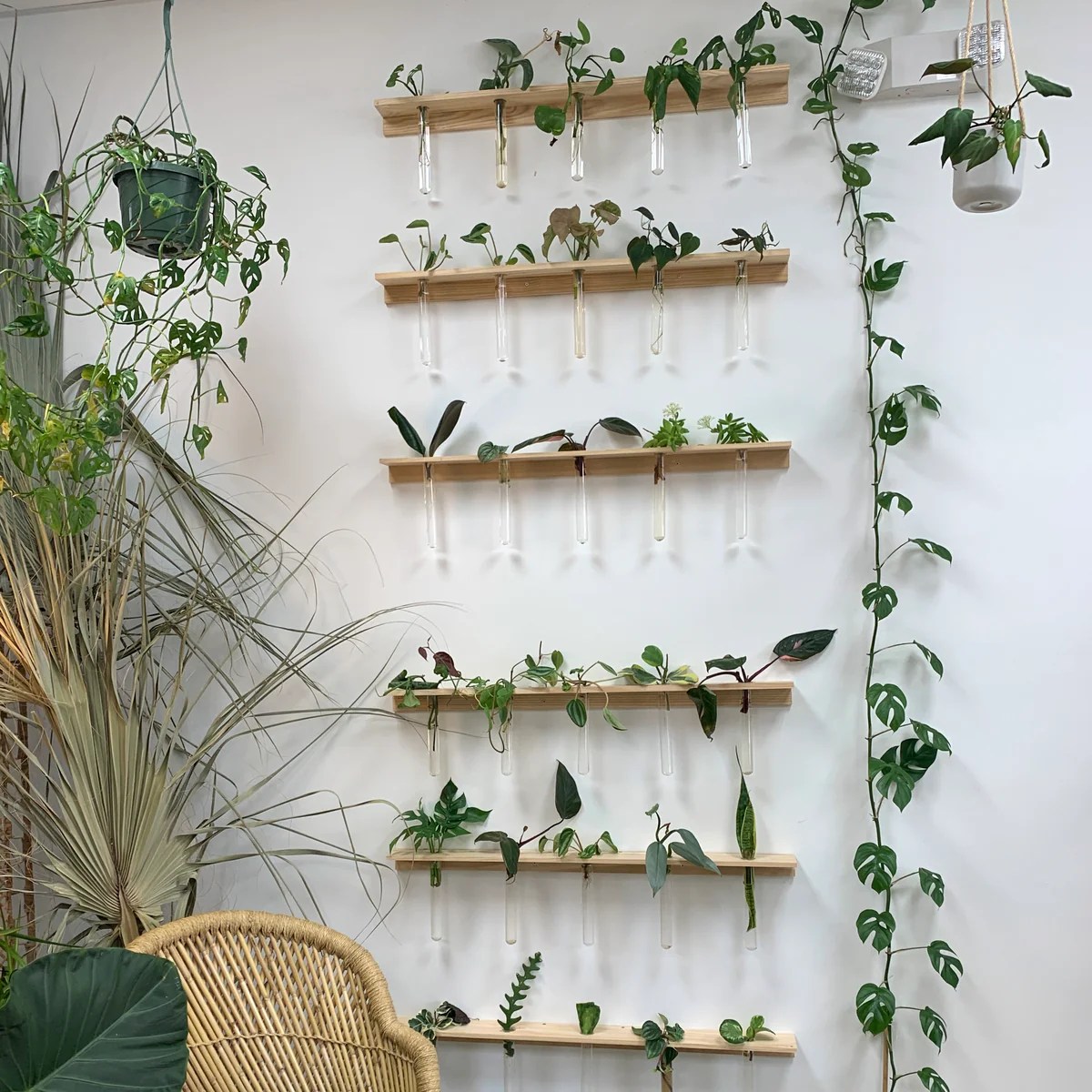
The visual appeal of a propagation station is paramount in influencing purchase decisions. A well-designed station not only enhances the aesthetic appeal of a home or office but also underscores its functional value. Its design should effortlessly integrate with existing décor, emphasizing its practicality and beauty.High-quality visuals effectively communicate the station’s features and benefits, providing potential customers with a clear understanding of its practical application.
This section explores the visual aspects of the propagation station, emphasizing its aesthetic and functional attributes.
Station Configurations
The propagation station’s versatility is showcased through various configurations. Different configurations cater to diverse needs and aesthetic preferences. These configurations are adaptable to various indoor environments, from modern minimalist spaces to traditional settings. The configurations can be tailored to optimize plant growth and enhance the visual impact within the chosen setting.
- Compact Configurations: Ideal for smaller spaces, these configurations prioritize efficient use of vertical and horizontal space. They often feature a modular design, allowing for easy customization and adjustments as plant needs evolve. For example, a compact configuration might use a smaller footprint, with multiple tiered levels for different growth stages.
- Expansive Configurations: Designed for larger spaces or multiple propagation needs, these configurations emphasize scalability and accommodate a greater variety of plants and propagation methods. They can feature multiple individual propagation units, adjustable shelving, and larger overall dimensions. A good example is a station with multiple separate compartments, each tailored for different plant types and growth stages, offering greater flexibility and accommodating various propagation needs.
- Customizable Configurations: These configurations allow for a high degree of personalization, enabling users to tailor the station to their specific aesthetic preferences and plant requirements. Customization options might include different colors, materials, or add-ons for optimal plant support. A customizable configuration might include the option for varying shelf heights, different types of lighting, and specialized humidifiers, adapting to specific plant needs and user preferences.
Aesthetic Appeal and Integration
The propagation station’s design should harmonize with various interior styles. Its aesthetic qualities should elevate the overall visual appeal of the space, while its functionality should remain prominent.
- Modern Aesthetics: Sleek lines, clean finishes, and minimalist color palettes are key elements in a modern design. The propagation station can be integrated into a modern aesthetic by featuring a light, neutral color palette, with geometric shapes and minimalist accents. For example, a white station with clean lines and chrome accents would blend seamlessly into a contemporary space.
- Rustic/Natural Aesthetics: A propagation station designed for rustic settings can embrace warmer tones, natural materials, and organic shapes. This might involve using wood, stone, or earthy colors to integrate the station into a space featuring natural elements. For instance, a station constructed from reclaimed wood with warm brown tones would fit well in a rustic garden setting.
- Industrial Aesthetics: A propagation station designed for an industrial space might use metals like steel or iron, along with exposed pipes or rivets. The station could be integrated with industrial aesthetics by using dark colors, metal finishes, and exposed structural elements. For example, a black steel station with exposed lighting fixtures would seamlessly integrate into a loft-style apartment.
Visual Impact and Features
The station’s overall visual impact is determined by the integration of its features. Its design should showcase its functionalities without sacrificing aesthetic appeal.
- Lighting Integration: Strategically placed LED lights offer adjustable brightness and color temperature for optimal plant growth and aesthetic appeal. The use of LED lighting can enhance the station’s visual appeal by providing a soft glow while supporting the propagation process. Examples of different light intensity and color temperatures are available for specific plant needs.
- Material Selection: The choice of materials significantly affects the station’s visual appeal and durability. Materials like high-quality wood, sturdy metal, and durable plastics contribute to the station’s overall aesthetic and longevity. High-quality materials such as tempered glass or coated metal can elevate the station’s appearance.
- Display Options: Different display options can be used to highlight the station’s design and showcase the plants. The use of visually appealing displays for the propagated plants can further enhance the station’s aesthetic value. Examples include clear glass compartments, illuminated display cases, or customized plant hangers.
Conclusion
In conclusion, wall-mounted Japanese propagation stations represent a sophisticated approach to cultivating plants. This guide has highlighted the various aspects of these stations, from their aesthetic appeal and practical functionalities to the crucial considerations for proper installation, maintenance, and propagation methods. By understanding the nuances of these stations, you can optimize your space, efficiency, and success in cultivating your green collection.
